
AI For SEO Explained How To Use AI To Improve Search Visibility In 2026
ai for seo helps marketers improve search visibility by using artificial intelligence to support research, content decisions, technical analysis, and optimization while keeping human judgment at the center. AI does not replace the core principles of SEO such as relevance, quality, trust, and user intent. Instead, it changes how teams discover opportunities, evaluate information, and create stronger search experiences.
- AI improves SEO workflows when it supports strategic decisions instead of replacing human review.
- The best AI SEO process combines research, content optimization, technical checks, and quality control.
- Search visibility now requires optimizing for both traditional search results and AI-generated answers.
How AI Is Changing SEO Without Replacing Core Search Principles
AI supports SEO decisions, but search fundamentals remain the same
AI is changing SEO by improving the speed and depth of analysis while keeping relevance, authority, and user experience as the foundation. Search engines still evaluate whether content answers a real need, demonstrates expertise, and provides useful information. The main change is that marketers can now process more signals and test more ideas efficiently.
Traditional SEO often depended on manual keyword research, spreadsheet analysis, and repeated content reviews. AI-assisted workflows can summarize patterns, identify content gaps, and help teams create structured plans. However, every recommendation still requires validation against search intent, brand goals, and audience needs.
In our experience working with content teams, the strongest results come from using AI as a decision support layer rather than an automatic publishing system. Teams that review AI suggestions carefully usually create more accurate and useful content than teams that rely on generated output alone.
A practical shift from rankings to visibility
Modern SEO focuses on broader visibility across search pages, featured results, and AI-generated responses. A useful framework is to evaluate every page using four questions:
- Does the page answer the main user intent clearly?
- Does it include original expertise or useful interpretation?
- Can search systems understand the entities, topics, and relationships?
- Can users trust the information and take the next step?
The role of ai for seo is to help teams answer these questions faster while preserving editorial standards.
Practical AI For SEO Workflows That Improve Research Content And Technical Decisions
A four-step workflow turns AI into a controlled SEO assistant
Practical ai for seo workflows work best when they follow a repeatable process with clear review points. A reliable framework includes research, planning, optimization, and quality assurance.
- Research: Use AI to organize keyword themes, analyze competitor content structures, and identify missing subtopics. The output should become a research starting point, not a final strategy.
- Planning: Create content briefs that define audience intent, required sections, supporting questions, and evidence requirements. AI can help turn scattered research into a structured outline.
- Optimization: Use AI to review readability, internal linking opportunities, topic coverage, and content consistency.
- Quality checks: Verify facts, remove unnecessary repetition, and ensure the final page reflects human expertise.
When we tested AI-assisted content audits, the most valuable improvement was not faster writing. The biggest gain came from finding overlooked questions and improving the review process before publication.
Prompts and checks matter more than automation
A useful SEO prompt should include context, goal, audience, and evaluation criteria. For example, instead of asking AI to write an article, a marketer can ask it to identify missing sections in an existing page compared with a search intent checklist.
Common workflow checks include:
- Confirming whether recommendations match current search intent.
- Comparing AI suggestions with real search results.
- Reviewing technical changes before implementation.
- Checking that content includes accurate examples and clear explanations.
Resources such as how to use ChatGPT for SEO can help teams build more structured processes.
How To Choose The Right AI Tools For SEO Tasks And Business Goals
The right AI SEO tool depends on accuracy, data, and control
Choosing an AI SEO tool requires evaluating how well it fits the specific task instead of selecting a tool based only on automation features. A practical evaluation framework includes five criteria: data access, accuracy, workflow integration, controllability, and reporting value.
Data access determines whether the tool can work with useful information such as analytics, search performance data, or content inventories. Accuracy measures whether recommendations require heavy correction. Integration shows whether the tool fits existing marketing workflows. Controllability reflects whether teams can adjust prompts, rules, and review steps. Reporting value determines whether insights can support business decisions.
Our team found that simple evaluation questions prevent many AI adoption problems. We ask whether a tool improves a specific workflow, how often humans must correct outputs, and whether the results can be measured over time.
Match tools to tasks instead of replacing processes
Different SEO tasks require different levels of AI assistance. Research tasks may benefit from summarization and pattern recognition. Content tasks may require stronger editorial controls. Technical tasks need careful validation because incorrect recommendations can affect website performance.
A useful checklist before adoption includes:
- What SEO problem does the tool solve?
- What data does the tool use?
- Who reviews the output?
- How will success be measured?
A detailed AI powered SEO approach focuses on controlled improvement rather than replacing experienced marketers.
How To Optimize Content For AI Discovery And Measure SEO Visibility
AI discovery requires clear entities, evidence, and useful structure
Optimizing content for AI discovery means creating pages that clearly explain topics, relationships, and answers so both people and search systems can understand them. AI-generated answers often depend on passages that directly address questions and provide reliable context.
A practical optimization framework includes:
- Clear topic signals: Define concepts, products, services, and related entities consistently.
- Answer-focused sections: Place direct explanations near relevant questions.
- Citation-friendly content: Include specific processes, criteria, and verifiable information.
- Measurement: Track visibility changes, impressions, rankings, and appearance in AI search experiences where possible.
Marketers should also review whether content is understandable without additional context. Strong pages explain concepts directly instead of relying on vague claims.
Measure visibility beyond traditional rankings
SEO measurement now requires a broader dashboard. Useful indicators include organic traffic, keyword visibility, engagement signals, content updates completed, and mentions within AI-generated search experiences. A related framework for improving AI visibility can help teams understand how content performs across evolving search environments.
The goal of ai for seo is not to chase every new platform change. The goal is to build a repeatable system that improves information quality, discoverability, and user value.
Frequently Asked Questions About AI For SEO
Businesses exploring sustainable search growth can apply these frameworks independently or work with Freeways Agency to develop a structured SEO approach that combines strategy, content quality, and technical optimization.

Is Your Website an Open Book or a Black Box to AI?
Learn optimization artificial intelligence with a clear taxonomy, a weight-update example, a method selection matrix, and a measurable project workflow.

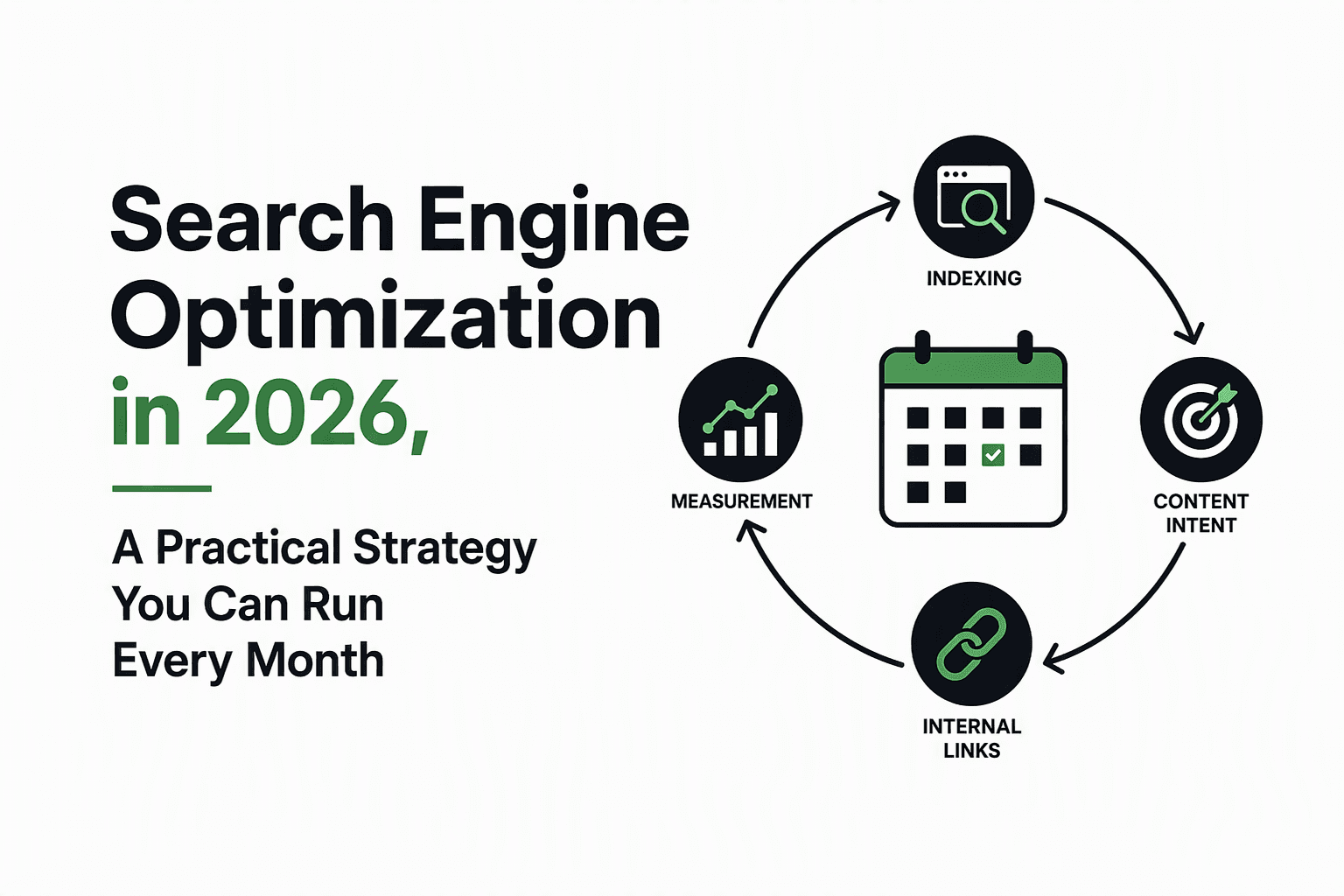
Search Engine Optimization in 2026, A Practical Strategy You Can Run Every Month
Run search engine optimization as a monthly system in 2026: fix indexability, build intent pages, strengthen links, and measure ROI in GSC.
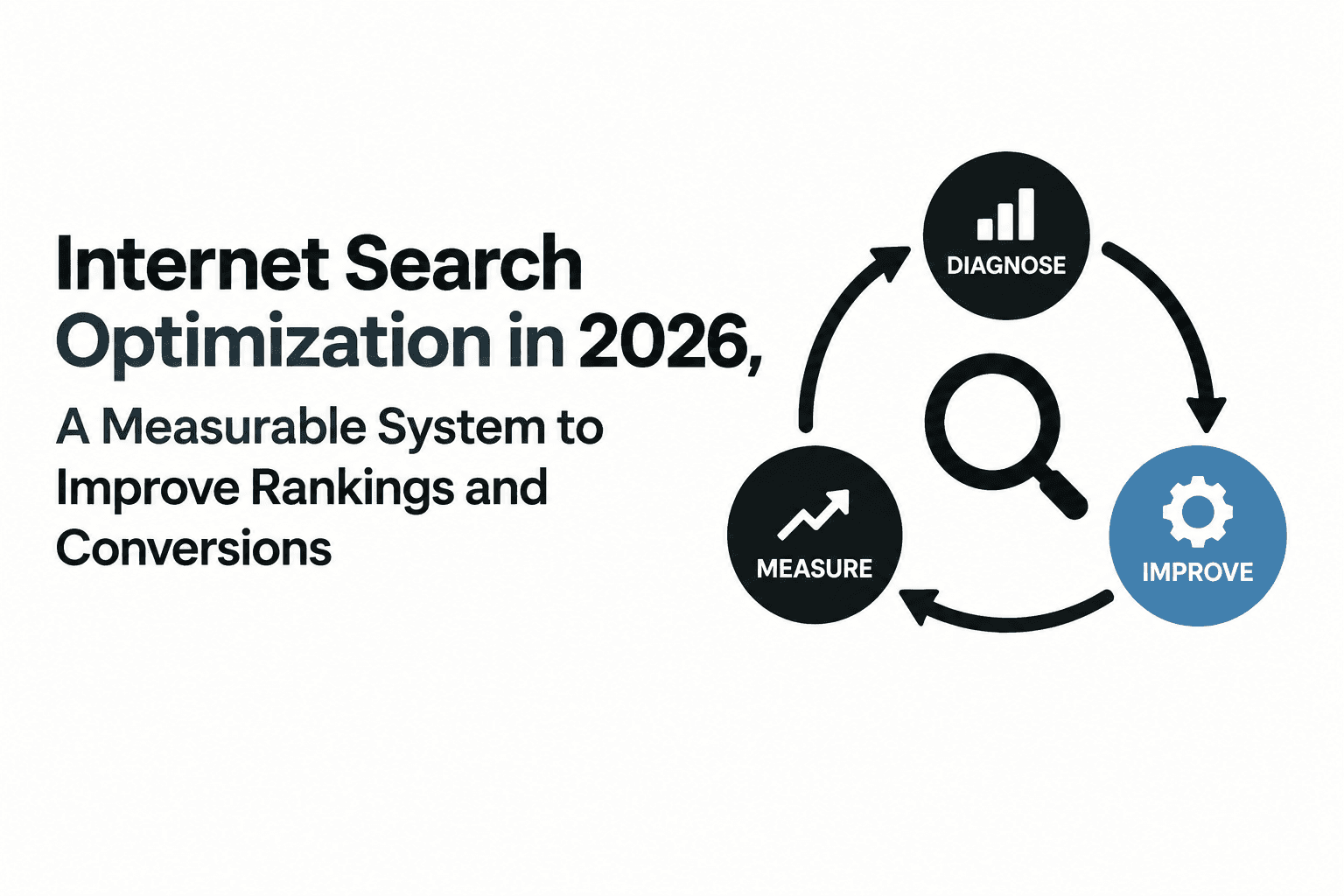
Internet Search Optimization in 2026, A Measurable System to Improve Rankings and Conversions
Run internet search optimization as a measurable loop: diagnose, prioritize, and track KPIs that improve rankings, CTR, and conversions.