
AI Ads Explained, How To Create, Test, And Scale High-Performance Campaigns

ai ads are a performance marketing workflow that uses artificial intelligence for creative production, audience analysis, campaign optimization, and testing decisions rather than only generating advertisements. Marketers evaluating adoption should focus on measurable outcomes, operational controls, and integration with existing strategy before investing in new tools.
- AI ads work best when connected to clear goals, structured testing, and human review processes.
- Campaign success should be measured through KPIs such as CTR, CVR, CPA, ROAS, and controlled experiments.
- Scalable implementation requires the right workflow, platform selection, compliance checks, and expert oversight.
AI Ads Explained And Where They Fit In Modern Campaign Workflows
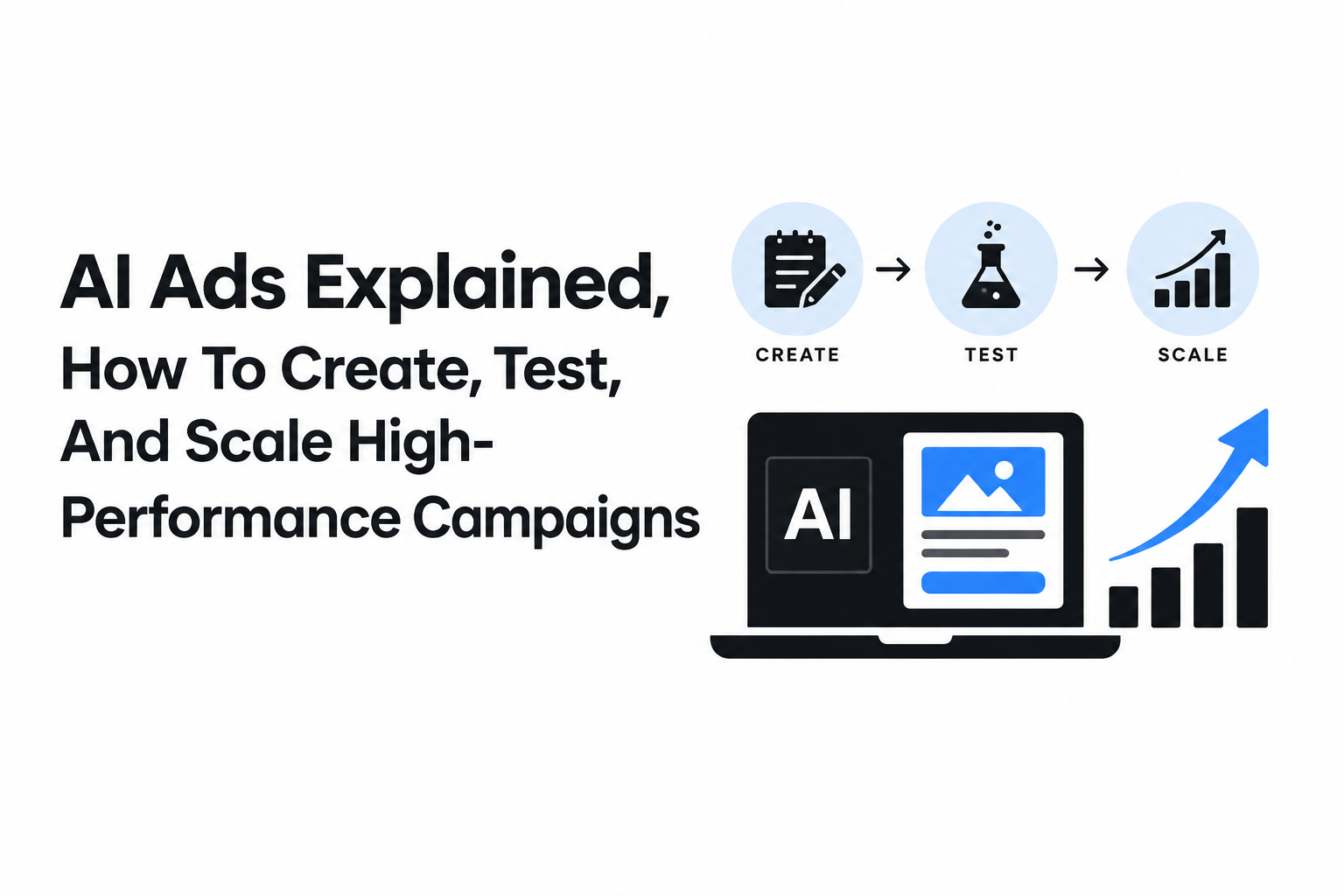
AI ads combine automation and machine learning capabilities across four campaign areas: creative development, targeting decisions, optimization, and experimentation. The strongest implementations treat AI as a system that improves marketing decisions instead of a replacement for strategic thinking.
Four practical use cases for AI ads
Creative production is the first area where teams often apply AI. Marketers can use AI tools to generate draft copy variations, visual concepts, video scripts, and testing ideas. The key criterion is not the number of assets produced but whether each variation supports a specific audience insight or campaign hypothesis.
Audience and optimization workflows are another important area. AI can analyze performance signals, identify patterns, and support bidding or budget decisions across advertising platforms. Teams still need clear conversion goals and quality data because automation depends on the information it receives.
Our team has found that structured creative testing produces more useful insights than simply increasing asset volume. When we tested campaigns with defined audience segments and clear success criteria, the evaluation process became faster because weak ideas were removed earlier.
AI also connects with broader search strategies. Marketers exploring ai visibility should consider how paid campaigns, organic content, and brand information appear together across modern search experiences.
How To Evaluate AI Ads Performance With Real Marketing KPIs
AI ads performance should be evaluated through business KPIs, including CTR, CVR, CPA, ROAS, and controlled A/B test results. Measuring output volume alone can hide whether campaigns actually improve customer acquisition.
A KPI framework for campaign decisions
A practical evaluation framework starts with five measurements:
- CTR: Shows whether creative and messaging attract attention.
- CVR: Indicates whether traffic converts after engagement.
- CPA: Measures the cost efficiency of acquiring customers.
- ROAS: Evaluates revenue return from advertising spend.
- A/B testing results: Confirms whether AI-generated variations outperform control versions.
Marketers should compare AI-assisted campaigns against existing benchmarks rather than expecting immediate improvement from automation alone. A useful test includes a control group, consistent audience settings, defined duration, and a clear decision rule before launch.
In our experience working with marketing teams, the biggest measurement mistake is reviewing surface-level engagement before validating revenue impact. Campaign dashboards become more useful when teams connect advertising data with actual customer actions.
Building AI Ads From Brief To Launch With Tools And Guardrails
AI ads require a controlled workflow from initial brief to final launch because automation without review can create inaccurate messaging, inconsistent branding, or compliance issues.
A five-step implementation workflow
- Create the brief: Define audience, offer, positioning, brand rules, and conversion goal.
- Generate concepts: Use AI tools for scripts, copy options, design directions, and testing ideas.
- Review assets: Check accuracy, legal requirements, tone, and customer relevance.
- Launch experiments: Set platform targeting, budgets, tracking, and comparison groups.
- Optimize continuously: Analyze results and improve the next campaign cycle.
What surprised our team was that approval systems often mattered as much as the AI tool itself. A strong workflow reduces risk by defining who reviews claims, visuals, customer data usage, and final messaging.
Teams also benefit from combining paid experimentation with ai powered seo because both rely on understanding user intent, content quality, and measurable search behavior.
How Brands Use AI Ads And What Marketers Can Learn
Brands using AI ads effectively focus on evidence-based experimentation, transparent processes, and creative quality rather than promoting AI adoption as a standalone achievement.
How to assess real AI usage
Marketers reviewing AI campaigns should check three areas: the business objective, the role of automation, and the measurable result. A campaign that uses AI for production but lacks testing discipline provides limited learning value.
A useful assessment checklist includes:
- Was AI used to solve a specific marketing problem?
- Were human reviews applied before publication?
- Did campaign data show improvement against a baseline?
Our team initially assumed faster asset creation would be the main advantage, but campaign reviews showed that better prioritization and faster learning cycles were often the larger benefit.
Marketers building long-term systems can also explore ai driven seo approaches to create stronger connections between paid insights and organic growth strategies.
Choosing An AI Ads Partner For Scalable Campaign Growth
The right AI ads partner should provide strategic planning, testing expertise, measurement discipline, and the ability to connect campaigns with broader digital growth goals.
Partner evaluation criteria
| Criterion | What to evaluate |
|---|---|
| Strategy | Ability to define audiences, offers, and testing priorities. |
| Execution | Experience with creative workflows, platforms, and optimization. |
| Measurement | Use of meaningful KPIs instead of activity reports. |
| Integration | Connection between advertising, content, and search performance. |
Businesses should also consider whether internal teams have enough time and expertise to manage experimentation cycles. A partner can provide additional support when campaigns require ongoing analysis, structured testing, and alignment with broader marketing objectives. Teams seeking search engine optimization service support should evaluate how SEO and advertising strategies work together.
Frequently Asked Questions About AI Ads
Freeways Agency helps businesses combine AI-driven opportunities with strategic marketing planning, SEO execution, campaign support, and performance-focused digital marketing expertise. Contact Freeways Agency to build a measurable approach that uses automation responsibly while keeping business growth goals at the center.

Written by Joyce Ng.

Is Your Website an Open Book or a Black Box to AI?
Learn optimization artificial intelligence with a clear taxonomy, a weight-update example, a method selection matrix, and a measurable project workflow.
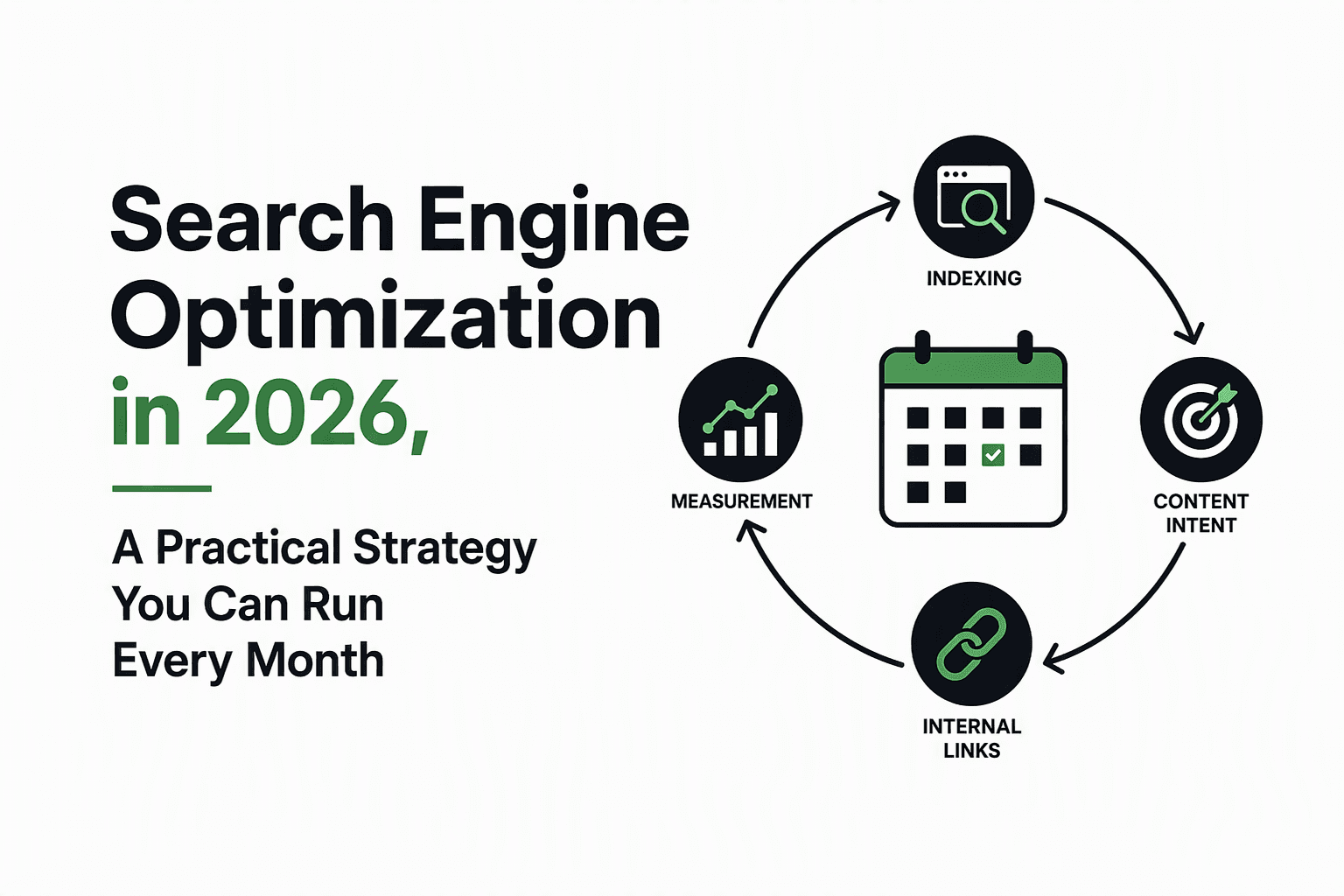
Search Engine Optimization in 2026, A Practical Strategy You Can Run Every Month
Run search engine optimization as a monthly system in 2026: fix indexability, build intent pages, strengthen links, and measure ROI in GSC.
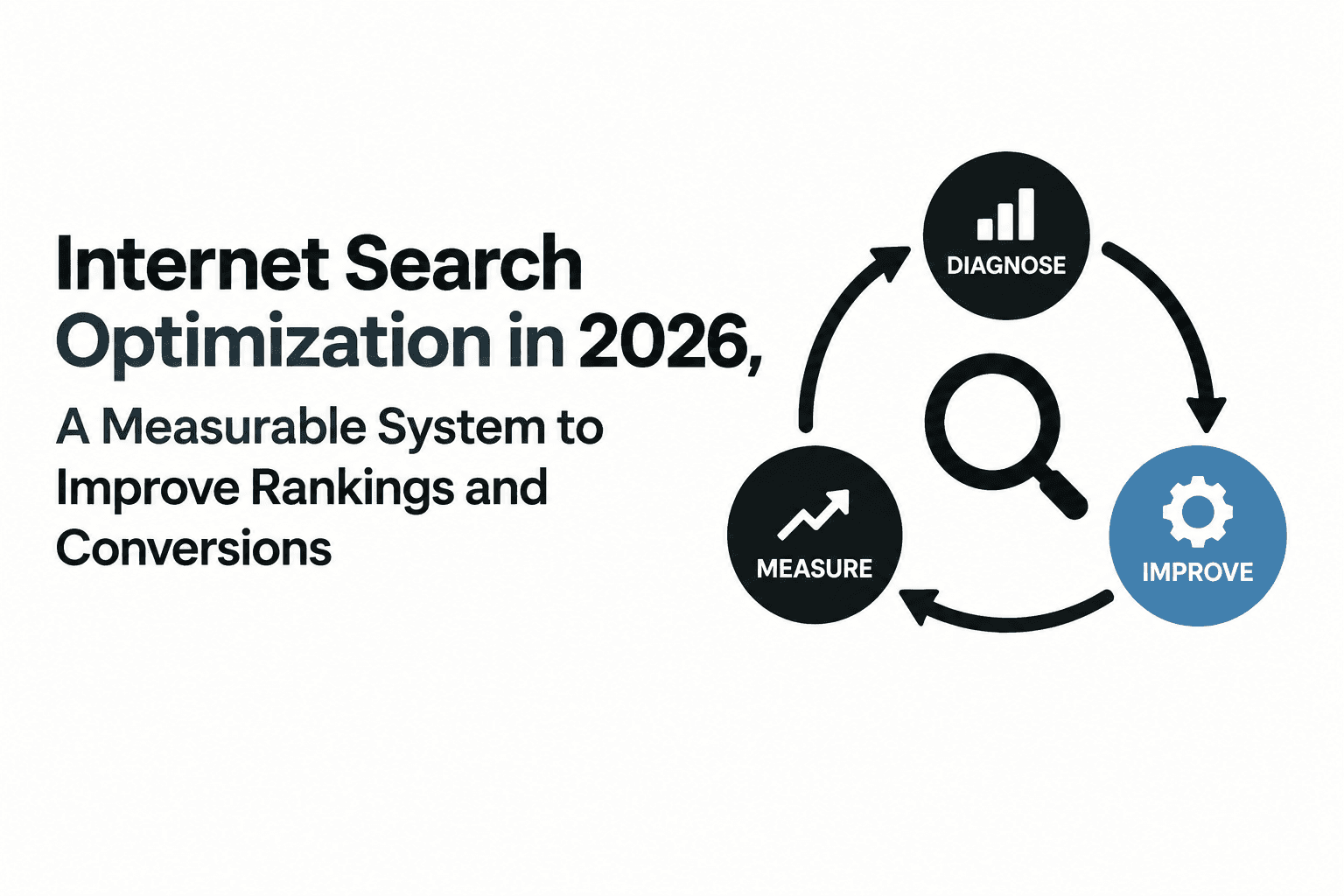
Internet Search Optimization in 2026, A Measurable System to Improve Rankings and Conversions
Run internet search optimization as a measurable loop: diagnose, prioritize, and track KPIs that improve rankings, CTR, and conversions.